You may have seen the “horse gelatin trick” all over TikTok and Instagram lately, usually paired with big promises about energy, joints, or stamina. The name sounds strange, and it is worth being upfront about it: this is not a recipe using gelatin from horses. It is a viral name for a simple gelatin drink or snack, and this guide covers what it actually is, how to make it correctly, and what the evidence really says about the claims attached to it.
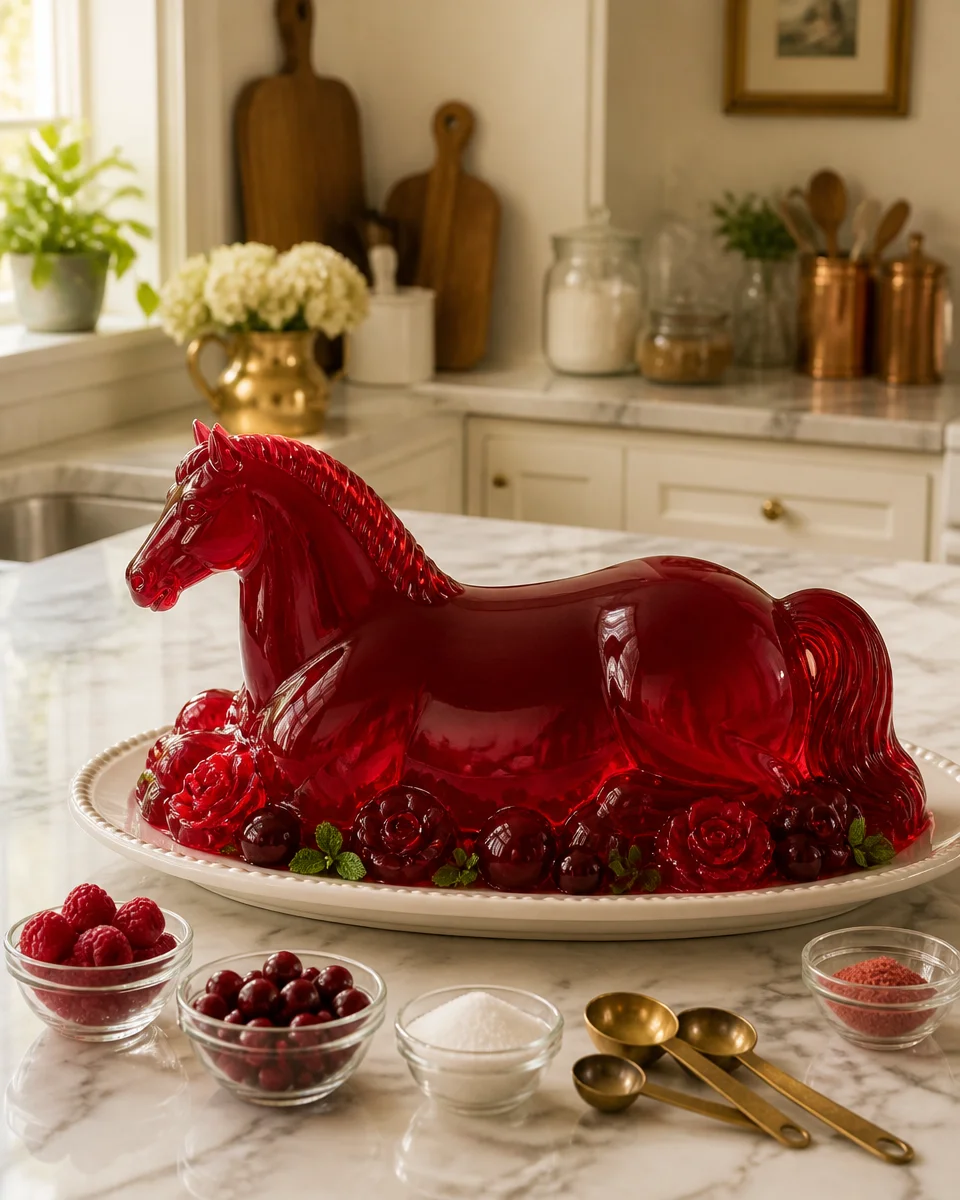
What is the horse gelatin trick?
The “horse gelatin trick” is a social media trend, not a specific product. It typically involves dissolving one to two tablespoons of plain, unflavored gelatin powder in warm water, sometimes with add-ins like lemon juice, a pinch of salt, or honey, then drinking it or letting it set into a snack. Despite the name, the gelatin used in these videos is ordinary food-grade gelatin, most often bovine (beef) or occasionally fish-derived. There is no verified commercial product made specifically from horse-sourced gelatin behind the trend; “horse” is simply the name the trend picked up online.
What is horse gelatin used for?
In practice, people are using this the same way gelatin has always been used: as a source of protein and amino acids like glycine and proline, mixed into a warm drink or set into a jiggly snack. Some use it as a light, high-protein treat, others as part of a daily routine aimed at skin, hair, or joint support. It is worth separating the two: gelatin as a food ingredient has a long, unremarkable history, while the specific health claims attached to the “trick” are a newer, largely unproven layer on top of that.
Is gelatin still made from horses?
No, not in any meaningful commercial sense. Virtually all gelatin sold today, whether in a grocery store baking aisle or as a supplement, is made from cattle hides and bones (bovine), pig skin (porcine), or fish skin and bones (marine). Horse-derived gelatin is not a real category of modern commercial food-grade gelatin. When a product or recipe is labeled “horse gelatin,” that name almost always refers to the viral trend, not to the animal source of the powder in the package.
The FDA does not require a food label to state which animal a gelatin ingredient came from when it is used as a food ingredient, so the source is not always obvious from the front of the package. If you want to know for certain, check the ingredient list and any allergen statement, or look up the manufacturer’s product page, since some brands do disclose bovine, porcine, or fish sourcing voluntarily.
How to choose food-grade gelatin powder
A few practical things to look for when buying gelatin powder:
- Food-grade labeling: make sure the product is sold for culinary or dietary use, not a craft or industrial-grade gelatin.
- Unflavored: unflavored gelatin is the most versatile and lets you control sweetness and flavor yourself.
- Clear ingredient and sourcing information: reputable brands list the gelatin source (commonly beef or fish) and any allergen information on the label.
- Reasonable claims: be cautious of products or listings that promise dramatic results like rapid weight loss, muscle gain, or enhanced performance. Gelatin is a protein ingredient, not a drug.
Horse gelatin recipe and troubleshooting
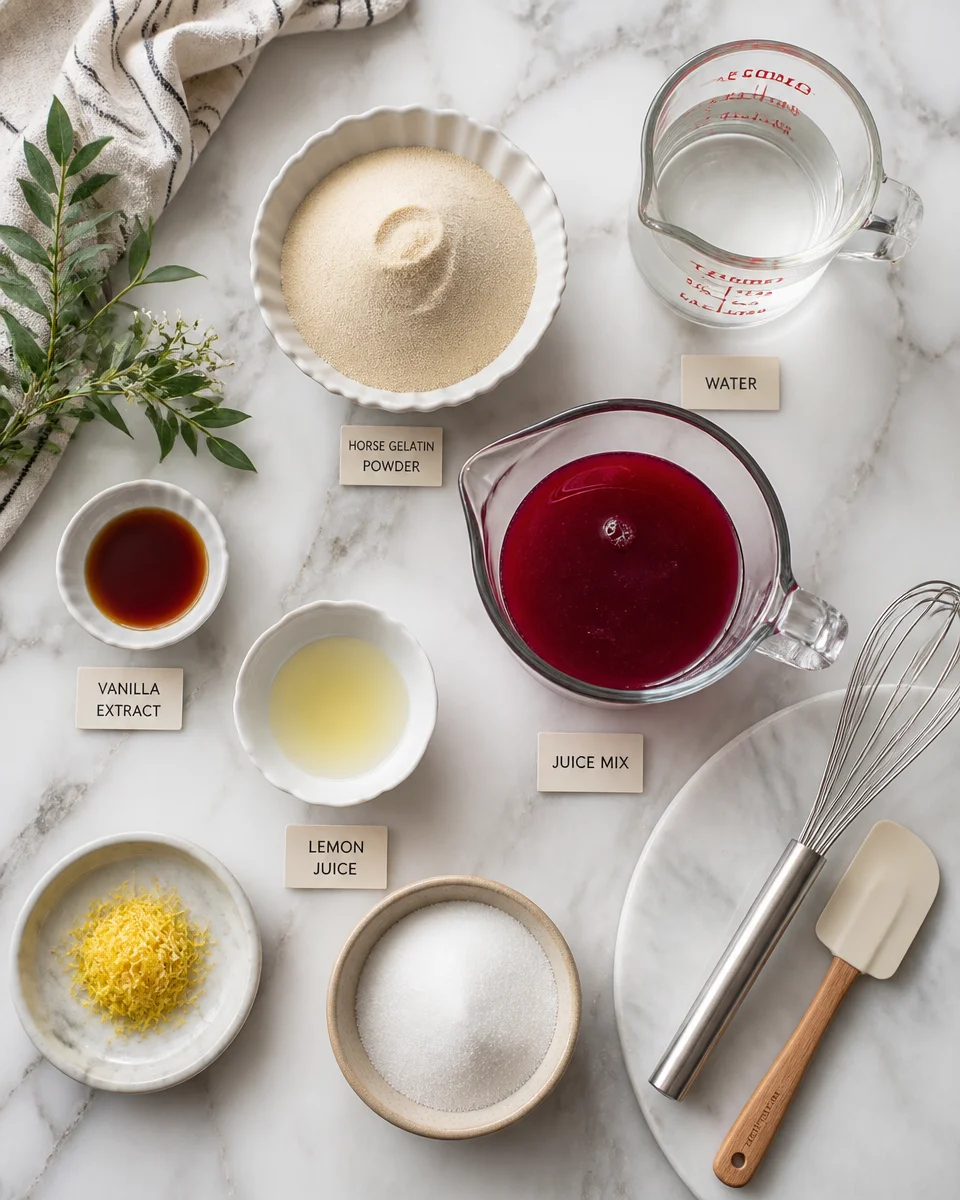
What you will need
- Food-grade unflavored gelatin powder; check the package label for its animal source.
- Water or a mix of water and juice
- A little sweetener (optional)
- Flavor helpers like lemon, vanilla, cinnamon, or berries
- A small pot, a whisk or fork, and a bowl or molds
Base recipe
- 2 cups liquid total (1 cup water plus 1 cup juice or herbal tea works well)
- 2 to 3 tablespoons food-grade unflavored gelatin powder (2 for softer, 3 for firmer)
- 1 to 2 tablespoons honey or your preferred sweetener (optional)
- 1 to 2 teaspoons lemon juice or vanilla (optional)
Directions
- Pour 1 cup of your liquid into a bowl. Sprinkle the gelatin on top evenly and let it sit for 5 minutes. This is the bloom step.
- Warm the other 1 cup of liquid in a small pot until hot but not boiling.
- Add the bloomed gelatin mixture into the warm liquid. Stir gently until fully dissolved, about 1 to 2 minutes.
- Taste and add sweetener or flavor if you want, then pour into a dish or small cups.
- Chill for at least 3 hours, or overnight for a firmer set.
Troubleshooting
Lumpy texture: almost always from skipping the bloom step or adding gelatin directly to hot liquid. Sprinkle it on cool liquid first, wait 5 minutes, then add gentle heat.
Not setting: usually too little gelatin for the amount of liquid, or the mixture got too hot. Avoid boiling it, and give it extra fridge time if your kitchen is warm.
Off flavor: unflavored gelatin can smell faintly “plain” before it is chilled. A little lemon juice, vanilla, or a pinch of salt usually fixes this.
Too firm or rubbery: you used more gelatin than needed. Cut it into smaller pieces, and use less gelatin next time.
Does horse gelatin work?
It depends what you mean by “work.” As a snack or drink, plain gelatin behaves exactly as expected: it dissolves, sets, and provides a modest amount of protein. As a specific fix for stamina, testosterone, weight loss, or male performance, the honest answer is that there is no good clinical evidence supporting those claims, and no published research has tested the viral “trick” itself under controlled conditions.
Benefits: evidence versus viral claims
Gelatin and its more processed relative, hydrolyzed collagen, have been studied for a handful of specific uses. A systematic review of randomized, placebo-controlled trials found that oral collagen supplementation was associated with improved skin elasticity, hydration, and collagen density in short-term studies, with no reported serious adverse events (Choi et al., Journal of Drugs in Dermatology, 2019). Some research also points to modest joint-comfort benefits from collagen or gelatin supplementation, though results across studies are mixed.
What the evidence does not support is the viral framing around this specific trend: claims about testosterone, libido, erectile performance, rapid weight loss, or appetite suppression are not backed by clinical research. Gelatin is a source of protein and specific amino acids, not a supplement shown to change hormone levels or produce the dramatic results some social posts describe.
Is “horse gelatin for men” different?
No. Versions of this trend marketed specifically “for men,” often with claims about performance or vitality, use the same plain gelatin as any other version. There is nothing in the ingredient itself that works differently based on sex. The “for men” framing is a marketing angle layered onto a basic gelatin drink, not a distinct formulation or mechanism.
Possible side effects
The FDA recognizes gelatin as Generally Recognized As Safe (GRAS) for use in food, and it has a long history of common use. At typical culinary amounts, it is well tolerated by most people. At higher doses, some people report bloating, an unpleasant aftertaste, a feeling of heaviness in the stomach, or mild digestive upset. Anyone with a known allergy to beef, pork, or fish (depending on the gelatin’s source) should check the label carefully or avoid it. As with any new ingredient, it is reasonable to start with a small serving to see how you tolerate it, and this article is not a substitute for medical advice.
Where to buy it safely
Plain, food-grade unflavored gelatin powder is widely available in the baking aisle of most grocery stores, as well as from established supplement retailers online. Look for a reputable brand with a clear ingredient list, a legible source and allergen statement, and no attached medical claims on the packaging. Be skeptical of listings that market the product as a cure, a performance enhancer, or a weight-loss aid, since those claims go beyond what plain gelatin is shown to do.
Horse gelatin trick video
Most people first encounter this trend through short videos on TikTok, Instagram Reels, or YouTube Shorts, usually showing someone mixing and drinking the gelatin blend on camera. These videos are demonstrations and personal anecdotes, not clinical evidence. If you watch one for the method, it can be a fine visual guide to the mixing technique described above; just keep in mind that any before-and-after claims made in a video have not been independently tested.
FAQs
Is horse gelatin safe to eat?
Yes, for most people. Plain gelatin is FDA-recognized as safe for food use and has a long history of consumption. Anyone with a beef, pork, or fish allergy should check the label, since the source is not always stated on the front of the package.
Does horse gelatin help you lose weight or build muscle?
There is no clinical evidence that gelatin causes weight loss or significant muscle gain on its own. It provides some protein and specific amino acids, but it is not a substitute for a balanced diet or resistance training.
Can women use the horse gelatin trick too?
Yes. Despite the “for men” marketing some versions use, plain gelatin works the same way for anyone, regardless of sex.
How much gelatin can you safely have per day?
Most culinary and supplement guidance points to moderate daily amounts, generally in the single-digit-gram range, being well tolerated. Very high daily amounts are more likely to cause digestive discomfort. If you have a medical condition or take medication, it is worth checking with a healthcare provider before adding any new supplement to your routine.